Green coffee quality control at intake, before a lot goes into storage
Green coffee quality control at intake: sampling, moisture, density, screen size, defects, foreign matter, smell and the records to keep before storage.
Short answer: Check every green coffee lot before it enters storage. Pull a representative sample, measure moisture, check density and screen size, count defects and foreign matter, smell the beans, and sample roast and cup them against the approved pre-shipment sample. Record the results under the lot number, and only then release the lot to the warehouse.
The truck is at the dock. The paperwork says the coffee matches the sample approved weeks ago, and the warehouse team wants the bags off the floor before lunch. This is the one moment when rejecting a lot, or negotiating on it, is still simple. Once the bags are mixed into storage and the first batch is roasted, the argument with the supplier gets much harder.
An intake check does not need a large laboratory. It needs a fixed routine, a few instruments, and the discipline to run it on every lot, including lots from suppliers who have never caused a problem.
Take a sample that represents the lot
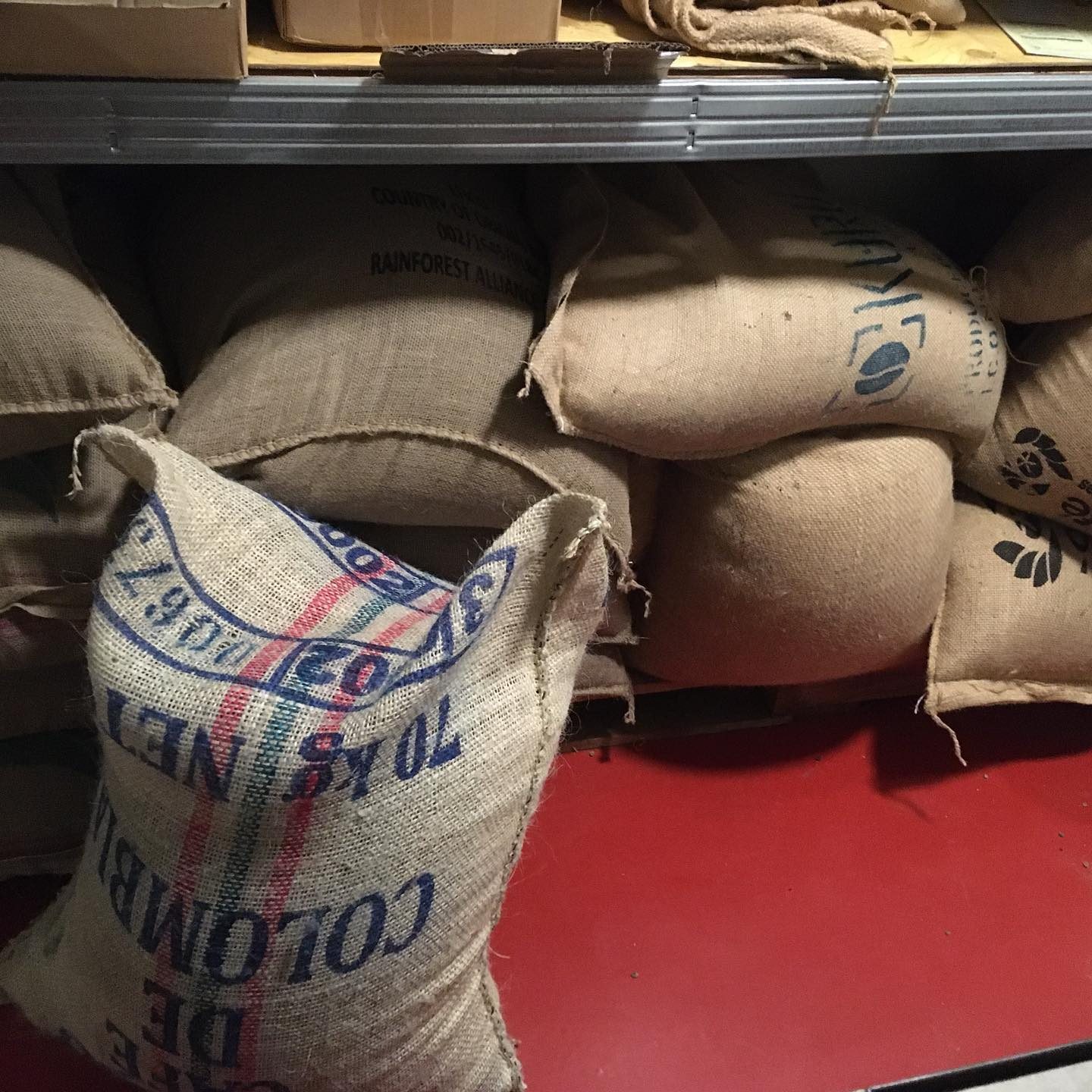
A sample from the top bag tells you about the top bag. To judge a lot, pull beans from many bags spread through the shipment, using a bag trier pushed into the side of each sack. Many buyers sample a fixed share of the bags, for example every tenth bag, or follow the sampling rule written into their purchase contract. Combine the pulls, mix them, and split the result into a working sample and a retained sample.
Seal the retained sample, label it with the lot number and keep it until the lot is used up. If a complaint or a dispute comes later, it is the only evidence of what actually arrived.
The checks, in the order they are usually run
| Check | Tool | What it tells you | Typical action if it fails |
|---|---|---|---|
| Moisture | Grain moisture meter | Risk of mold, faster aging, roast behavior | Hold the lot, recheck, contact supplier |
| Smell | Trained nose, sealed jar | Fermentation, mustiness, chemical contamination | Reject or hold for cupping |
| Foreign matter | Visual sort, sieve | Stones, metal, sticks, string from bags | Note quantity, plan destoning |
| Defects | Sorting tray, counting sheet | Grade against contract | Claim or downgrade |
| Screen size | Set of screen sieves | Uniformity, match to contract | Note, adjust roast plan |
| Density | Graduated cylinder and scale | Hardness of the bean, roast behavior | Adjust profile, or flag for the roaster |
| Sample roast and cup | Sample roaster, cupping set | Flavor match to the approved sample | Accept, claim or reject |
Moisture
Moisture is the first number to read, because it changes how the coffee ages and how it roasts. Most buyers specify green coffee at roughly 10 to 12 percent moisture. Coffee that arrives much wetter can grow mold in storage and tends to fade quickly. Coffee that is very dry often roasts faster than expected and may already taste flat. Measure several portions of the sample, and recalibrate the meter against a reference regularly, since cheap meters drift.
Smell
Open a sealed jar of the sample after a few minutes and smell it. Clean green coffee smells grassy, hay-like or slightly sweet. Ferment, mustiness, rubber, diesel or a chemical note means something went wrong at the farm, the mill or in the container. A suspicious smell is reason enough to hold a lot until it has been cupped.
Foreign matter and defects
Spread a weighed portion of the sample on a dark tray and sort it. Foreign matter (stones, metal pieces, wood, sisal fibers from the bags) goes in one pile. Defective beans go in another: black and sour beans, insect damage, broken beans, shells, unripe beans and beans with husk still attached. Many contracts use the Specialty Coffee Association method, which counts defects in a 350 g sample and grades them into primary and secondary categories. Whatever the method, use the one written in the contract, and record counts, not impressions.
Foreign matter does not always mean rejection. Stones and small metal pieces are normal in commodity grades. What the count tells you is how much work the destoner will have to do, and whether the supplier's cleaning matches what was promised.
Screen size and density
Screen sieves grade beans by the size of the round holes they pass through, measured in 64ths of an inch, so a screen 17 bean is held back by a hole of 17 sixty-fourths of an inch. Shake a weighed portion through the stack and record the share on each screen. A wide spread means beans of different sizes, and small beans roast faster than large ones in the same drum.
Density gives the roaster an early warning. Fill a graduated cylinder to a fixed volume, weigh the beans, and log the result in grams per liter. Dense coffees, often grown at higher altitude, usually take more energy early in the roast. Softer coffees can run away near the end. The number does not judge quality, but it helps the head roaster choose a starting profile.
Sample roast and cup
The final check is the one that matters most to customers. Roast a small portion on a sample roaster or a small shop roaster, rest it, and cup it next to the approved pre-shipment sample. The question is narrow: does this lot taste like the coffee that was bought? The full method is in how to cup coffee like a pro.
Keep a record for every lot
The results are only useful if they can be found again. A single intake sheet per lot is enough, filed under the lot number and the supplier's marks printed on the bags. Record the arrival date, number of bags and gross weight, every measurement from the table above, the cupping score or notes, the name of the person who approved the lot, and the warehouse location assigned to it.
Link that lot number to the roast log from the first batch onward. When a roast behaves differently, the head roaster can look up the moisture and density of the green lot instead of guessing.
Where the destoner fits
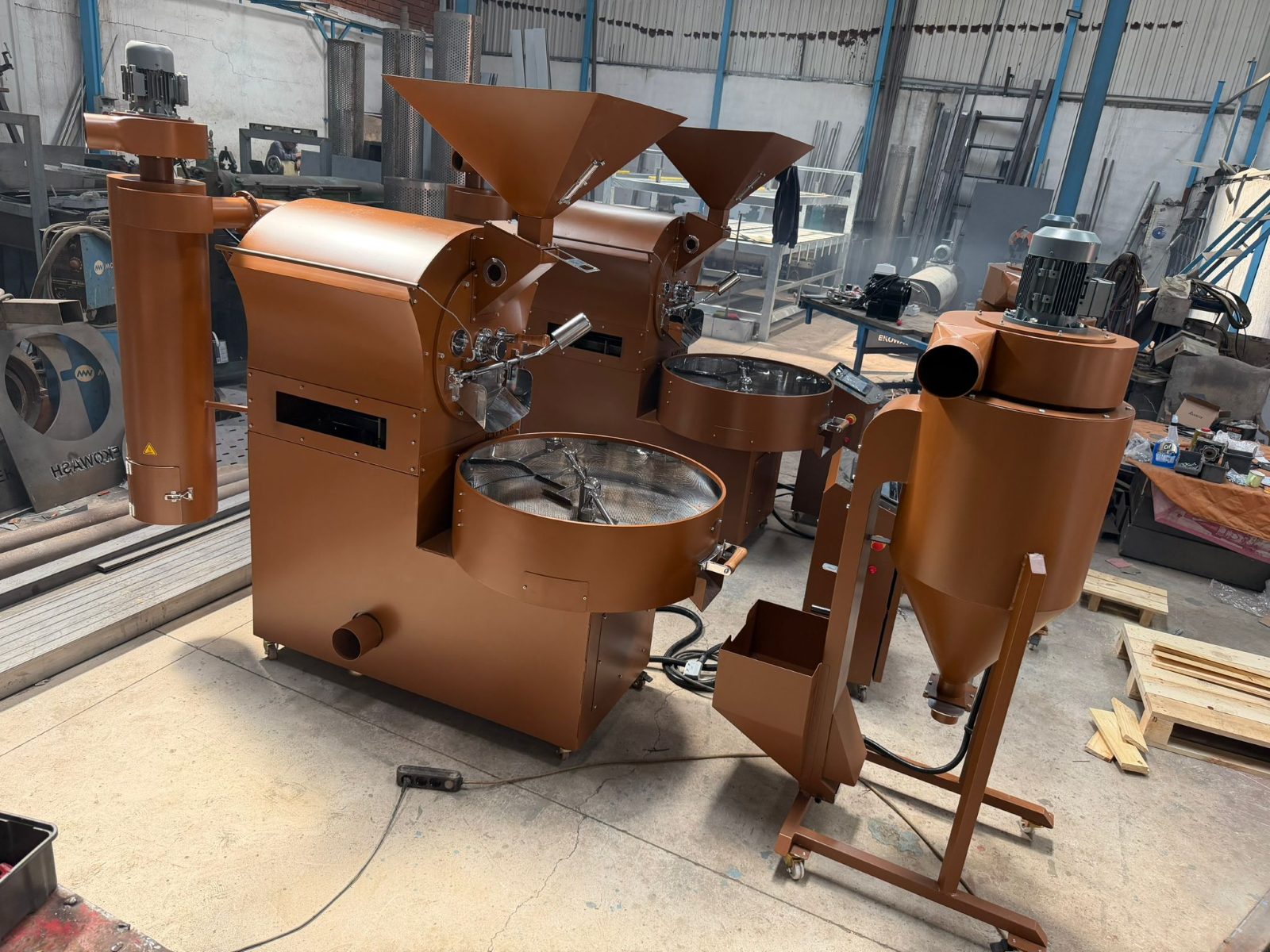
A destoner removes stones, metal and other heavy foreign matter by density, using controlled air suction, before the coffee reaches the roaster or the grinder. It protects the drum, the grinding discs and the customer. It does not replace the intake check. A destoner cannot remove fermented beans, cannot fix moisture and will not tell you that the lot is not the one you paid for.
The two work as a pair. Intake control decides whether a lot is accepted. The destoner cleans what was accepted. For how a destoner works and where it sits in a line, see what a destoner does and why you need one.
Frequently asked questions
How long can green coffee wait before the intake check?
Run the check on the day the lot arrives, before the bags are stacked with older stock. Many contracts limit the time a buyer has to file a quality claim, so delays can cost the right to claim.
Do I need a laboratory to check green coffee?
No. A moisture meter, screen sieves, a scale, a graduated cylinder, a sorting tray and a sample roaster cover most intake checks. Larger plants often add a water activity meter and a color meter for the sample roast.
Should rejected coffee stay in the same warehouse?
Keep held or rejected lots physically separated and clearly marked, so they cannot be loaded into the roaster by mistake while the supplier decides on the claim.
What if a lot passes the checks but roasts differently?
Compare its moisture and density with the previous lot from the same origin. Small differences in either often explain a change in roast time, and the profile can be adjusted for that lot.
Building intake into the plant layout
In a Kafgar roasting plant, intake, green storage, destoning and loading are planned together, so a lot moves from the checked pallet to the roaster hopper with as little manual handling as possible. Silos and laboratory equipment for sample roasting and cupping are supplied as part of the project, while the destoner, conveyors and elevators are built in the Kafgar factory. For storage after intake, see green coffee silos and storage planning.
Request a quote on WhatsApp or by email at [email protected].