How a Turnkey Coffee Roasting Plant Project Runs, Phase by Phase
How a turnkey coffee roasting plant project runs from first brief to first production batch, and what the buyer has to prepare at each phase.
Short answer: A turnkey coffee roasting plant project runs through nine phases: brief, layout, quotation, order, manufacturing with a filmed factory test roast, crating and shipping, site preparation, on-site installation, and first roasts with handover. The manufacturer builds or sources the equipment and installs the line. The buyer prepares the building, utilities, permits and import, often in parallel.
The first production batch is the moment everyone remembers. By the time it drops into the cooling tray, both sides have finished long task lists. When a turnkey project slips, the cause is often on the buyer's list and started late: a gas approval still pending, a floor slab nobody checked, a door too narrow for the crate.
"Turnkey" means one supplier is responsible for the whole line, from layout to working plant. It does not mean the buyer has nothing to do. The phases below show what happens at each step and what has to be ready on your side before the next one can start.
1. Brief and requirements
The project starts with four sets of facts: target output in kg of green coffee per hour or per shift, the product mix (whole bean, filter grind, Turkish grind and the share of each), the building, and the country. From these the line is sized so that no machine slows the others down.
What you prepare: a realistic sales plan, drawings of the building that show columns, door openings and the height under the beams, the gas available on site and at what pressure, the electrical supply, and a first idea of the exhaust route. If you have not chosen a building yet, say so. The brief can set the requirements the building must meet.
2. Layout and equipment list
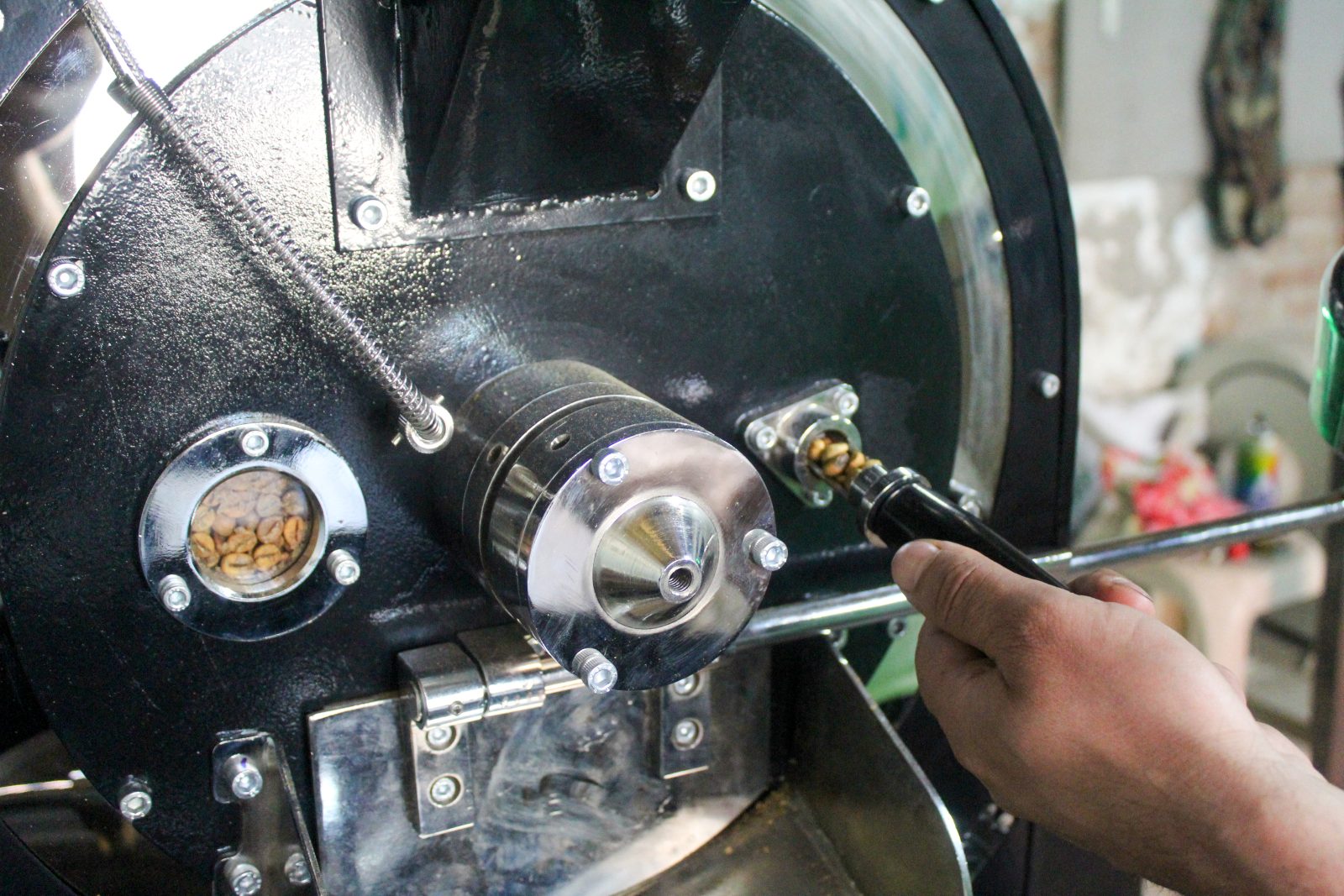
The manufacturer turns the brief into an equipment list and a layout drawn on your floor plan. A typical first line is a roaster, loader, destoner, afterburner and one grinder, with silos, a mixer and packaging added as volume grows. On request, Kafgar also prepares a free investment estimate at this stage.
What you prepare: a review of the layout with your local engineer and the people who will run the plant. This is the cheapest moment to move a wall opening or swap a screw elevator for a Z-type elevator.
3. Quotation
One quotation covers the whole line: models, options, voltage, gas type, lead time and scope. The scope shows which items Kafgar manufactures (roasters, KM grinders, destoners, afterburners, conveyors, elevators and mixers). It also lists the items Kafgar supplies for the project, such as silos and packaging machines.
What you prepare: a check of the scope boundary. Gas piping, electrical connection to the main panel, building works and exhaust openings are normally done by local contractors using the connection data the manufacturer provides. Make sure each item has a name next to it.
4. Order
Payment is by letter of credit, or 50 percent advance and 50 percent before shipment. You choose the body color, and Kafgar confirms it once the payment has been received. Custom design changes are possible on request and are agreed at this point, before manufacturing begins.
What you prepare: the payment, the color choice, and final confirmation of voltage and gas type. Voltage and gas type decide how the machines are built, so check them against the site, not against the first brief.
5. Manufacturing and the filmed test roast
Roasters, grinders, destoners, afterburners, conveyors, elevators and mixers are built in the Kafgar factory in Türkiye, while supplied items are sourced for the project. Every roaster is test-roasted at the factory before it ships, and the test roast is filmed, so you can watch your own machine roast coffee before it is crated.
What you prepare: the site. This phase is the buyer's main window for building works, foundations, gas and electrical installation, and permits. If those start only when the machines arrive, the plant will sit in crates.
6. Crating and shipping
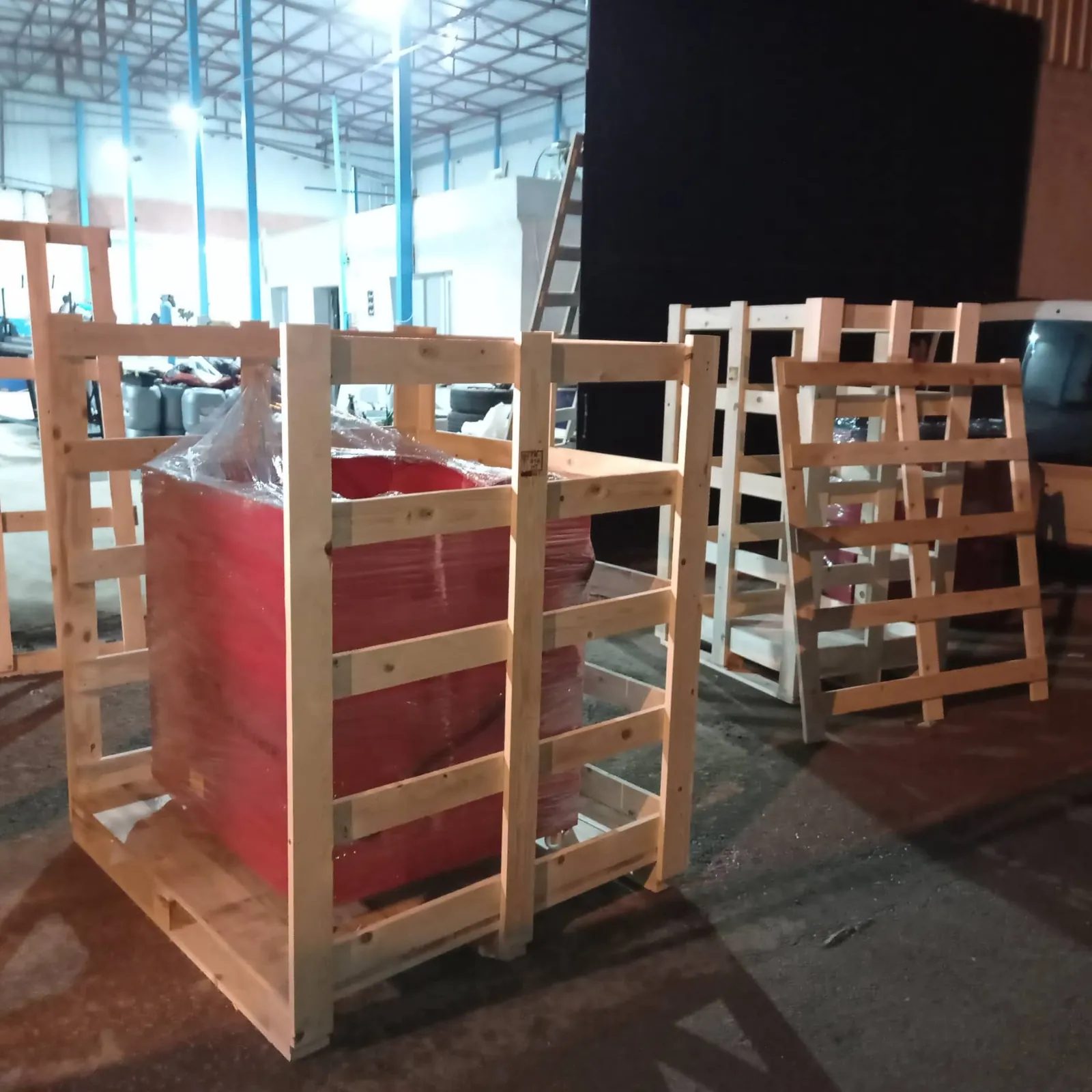
Machines up to the KR-60 ship in custom wooden export crates. KR-120 and larger roasters are loaded straight into the container. Kafgar prepares the export documents for each shipment.
What you prepare: a customs broker who has checked the tariff codes and import requirements in advance, the unloading equipment, and a dry, secure place for the crates if they arrive before the hall is ready. Measure the route from the truck to the final position, including doors, ramps and floor joints.
7. Site ready for installation
Before the installation team travels, the site should be ready for them to work without waiting. A short checklist:
- Floor finished and checked under the heavy machines
- Gas line installed and approved by a licensed installer, ready for connection
- Three-phase power at the main panel with the agreed voltage
- Exhaust openings cut, stack position agreed
- Lighting and access in the roasting hall
- Lifting equipment booked for the installation days
- Green coffee on site for the first roasts
8. On-site installation
For roasting plant projects, the Kafgar team installs the plant on site, worldwide. They position the machines, assemble the line, and work alongside your local gas and electrical installers on the connections. Safety functions, burner operation, airflow and the conveying equipment are checked before the first coffee goes in.
What you prepare: your installers on site at the agreed times, and the operators who will run the plant. People who watch the assembly learn where every motor, sensor and cleanout door is, which pays off during the first years of maintenance.
9. First roasts and handover
The Kafgar team supports your staff through the first production roasts. Profiles are built on your own green coffee, operators learn the controls and the cleaning routine, and the roast data can be logged in Artisan or Cropster from the first batch. Handover includes the technical documentation for the line.
After handover, 2 years of support are included, and paid support continues for as long as you need it. Machines carry a 2-year free parts warranty, and spare parts are supplied from the Kafgar factory.
Who does what
| Phase | Kafgar | Buyer |
|---|---|---|
| Brief | Sizes the line | Output, product mix, building, country |
| Layout | Equipment list and layout | Review with local engineer |
| Quotation | One quotation, scope split | Assigns local contractors |
| Order | Confirms color after payment | Payment, voltage, gas type |
| Manufacturing | Builds and films the test roast | Site works and permits |
| Shipping | Crates or container, export documents | Customs broker, unloading |
| Installation | Installs the plant on site | Local installers, operators present |
| First roasts | Supports first production roasts | Green coffee, staff for training |
Frequently asked questions
Who connects the gas and electricity on site?
Your local licensed installers make the gas and electrical connections, using the technical documentation and connection data Kafgar provides. The Kafgar installation team works with them during installation.
Can the plant be built in stages?
Yes, if the first layout already shows where the later machines will go. Reserve floor space, gas and electrical capacity and an exhaust route for them. A second roaster is far easier to add when the gas line and the stack were sized with it in mind.
Are packaging machines part of a turnkey project?
They can be. Kafgar supplies packaging machines and silos as part of a plant project, alongside the equipment it manufactures, under the same quotation.
What if our building is not ready when the equipment arrives?
Store the crates dry and secure, and agree a new installation date with Kafgar. Installing in a hall where building or utility work is still going on rarely saves time.
Starting a plant project
The turnkey coffee roasting plants page shows the full equipment line, and the Morocco KR-60 story and the Ethiopia plant show two finished projects. For the equipment side of the plan, see what a complete coffee roasting plant needs. Send us your brief, and the first drawing can be on your own floor plan.
Request a quote on WhatsApp or by email at [email protected].